List Growth
Private: How to send automated text messages
Automated text messaging is a game-changer, boosting communication efficiency and customer engagement in equal parts. Let’s dive into practical tips, industry insights, and how to integrate automated text messaging seamlessly into your business strategies.
Key takeaways:
- Boost efficiency and save time: Automate repetitive tasks like appointment reminders, order confirmations, and shipping updates. Free yourself and your team for higher-value interactions.
- Enhance customer engagement: People love the convenience of texts. Increase engagement with time-sensitive promotions, loyalty programs, and personalized offers.
- Improve customer satisfaction: Timely communication builds trust. Automated texts keep customers informed, reduce inquiries, and provide a frictionless experience.
Understanding automated text messages

Automated text messages, a powerful tool for businesses, can seem complex. Let’s break it down into key areas to address your concerns:
1. Triggers and timing:
- What triggers an automated message? These can be pre-set times (e.g., birthday greetings), customer actions (e.g., abandoned cart reminder), or replies to specific keywords (e.g., “STOP” to unsubscribe).
- When are automated texts most effective? Timing is crucial. Consider factors like time zones and customer behavior patterns for optimal impact. That said, the best times to text are noon, 2 p.m., and 6-8 p.m. in your audience’s time zone.
2. Content and personalization:
- What kind of messages can be automated? The possibilities are vast! Appointment reminders, order confirmations, surveys, marketing offers, and more.
- How can I personalize automated messages? Use customer data to personalize content with names, purchase history, or loyalty points for a more engaging experience.
3. Benefits and considerations:
- How can automated texts benefit my business? Improved efficiency, increased customer engagement, and boosted sales are just a few advantages.
- What are some things to consider before using automated texting? Compliance with regulations, clear opt-in/opt-out options, and avoiding spammy content are all crucial.
Overview of automated text messaging
Automated text messaging utilizes software to send pre-written SMS messages triggered by specific events or at scheduled times. It’s a powerful tool offering a list of well-rounded benefits for both businesses and individuals:
For businesses:
- Boost efficiency: Automate repetitive tasks like appointment reminders, order updates, and marketing campaigns. Free up valuable staff time!
- Enhance customer engagement: Reach customers directly on their phones, a channel they constantly check. Increase engagement with personalized offers, loyalty programs, and time-sensitive promotions.
- Improve customer satisfaction: Automated texts keep customers in the know, reduce the number of inquiries, and provide a smooth, customer service experience.
For individuals:
- Save time and stay organized: Schedule automated reminders for appointments, bill payments, or important errands. Never miss a deadline again!
- Stay connected with loved ones: Set automated birthday or anniversary greetings to show you care, even if you’re forgetful.
- Streamline personal communication: Automate responses when unavailable, letting people know you’ll get back to them soon.
Make a bigger impact with texting
Forget intrusive ads that get ignored. Texting boasts phenomenal reach with a guaranteed landing spot: the customer’s pocket. While social media offers a vast potential audience, you don’t truly “own” that reach. Building an email list or SMS list is different. Here, subscribers have opted-in, giving you direct access – and their attention.
The power of permission-based marketing:
- 80% of businesses now leverage SMS marketing. Why? Because permission is key. People who opt-in are receptive to your messages.
- Over 70% of consumers have subscribed to receive texts from businesses in the past year. They want to hear from you, leading to higher engagement.
Texting vs. email:
- While email may have a larger subscriber base, text messages reign supreme in engagement. 80.5% of consumers check their texts within five minutes of receiving them. Compare that to email, which often gets buried or deleted completely unread.
Impactful communication starts with texting:
By focusing on building a permission-based text message list, you cultivate a direct line to a highly engaged audience. This targeted approach allows you to craft impactful messages that resonate with your customers, driving results and building stronger relationships.
Applications across industries
Automated texting isn’t a one-size-fits-all solution – it’s adaptable for a reason. The possibilities for using automated texting are truly endless, tailored to the unique needs of each industry. Here’s how various industries leverage automated texting:
- Abandoned cart recovery: A gentle nudge with a discount code can bring customers back to complete their purchase for e-commerce stores.
- Flash sales and promotions: Create a sense of urgency with exclusive text offers, driving traffic and boosting sales.
- Order and shipping updates: Keep customers informed with automated texts about order confirmations, shipping details, and delivery notifications.
- Lab result updates: Patients can receive automated text alerts when lab results are available, eliminating unnecessary calls and promoting patient engagement.
- Medication reminders: Automated texts can help people stay on track with medication schedules and refill notifications, improving treatment adherence.
- Appointment reminders and follow-ups: Hair salons, dentists, and personal trainers all use automated texts to confirm appointments and reduce no-shows.
- Fraud alerts: Banks can instantly notify customers of suspicious activity on their accounts, promoting security and peace of mind.
- Account balance updates: Customers can receive low-balance alerts or monthly account summaries through automated texts.
- Payment reminders: Avoid late fees with automated reminders for upcoming bill payments.
Hospitality and travel:
- Hotel booking confirmations and check-in instructions: Streamline the guest experience with automated text confirmations and contactless check-in options.
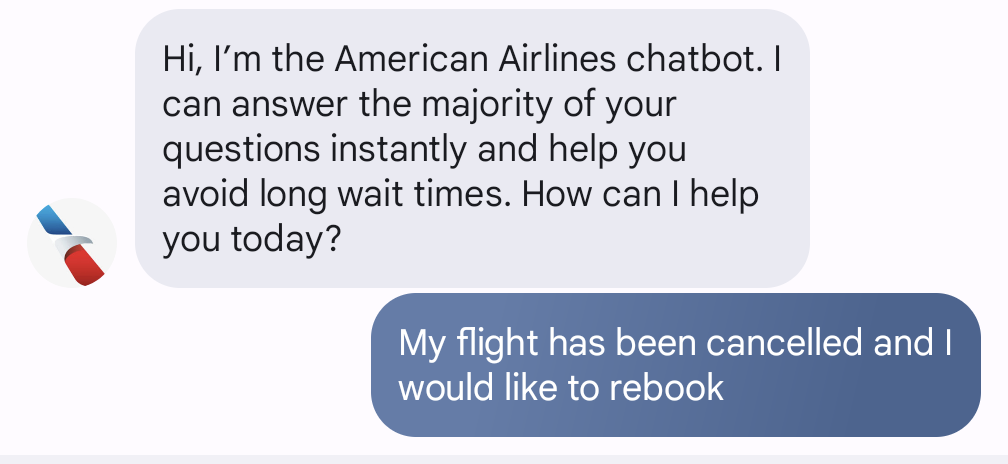
- Flight change notifications: Keep travelers informed of any flight delays or cancellations with immediate text alerts.
- Tour and activity reminders: Ensure guests don’t miss out with automated reminders for booked tours or activities.
How to set up automated text messaging

Automated text messaging offers a powerful tool to streamline communication and boost customer engagement. This is your step-by-step approach to set up your system, from selecting a platform to crafting impactful messages to designing automated workflows tailored to your business needs.
1. Sign up for a business texting service
Selecting the right platform is crucial for your automated texting success. Here are key criteria to consider:
- Budget: Platforms offer tiered pricing based on message volume and features. Define your needs and choose a service that fits your budget comfortably.
- Ease of use: Look for a user-friendly interface with drag-and-drop functionality and clear instructions for automation workflows.
- Features: Consider the functionalities you need, such as keyword automation, two-way messaging, or integrations with your CRM software.
- Scalability: Will your needs grow? Choose a platform that scales with your business to accommodate future expansion.
- Customer support: Reliable customer support is essential for troubleshooting and maximizing platform utilization.
Top texting services:
- SimpleTexting: Great for ease of use and affordability. Offers a free trial and caters well to small and medium businesses.
- Twilio: Highly customizable and developer-friendly. Ideal for larger companies with complex automation needs. Steeper learning curve.
- Podium: Focuses on reputation management with strong customer service features. Integrates well with review platforms. May not be ideal for solely marketing purposes.
Shortcuts for iPhone as an alternative?
While iPhone Shortcuts offer some automation features, they are not a robust replacement for dedicated business texting platforms. Here’s why:
- Limited functionality: Shortcuts cannot handle bulk messaging, complex automation workflows, or two-way communication.
- Scalability issues: Sending a large number of texts through Shortcuts can be unreliable and time-consuming.
- Compliance challenges: Shortcuts lack features to ensure adherence to SMS marketing regulations.
For businesses that require reliable, scalable, and compliant automated texting, a dedicated platform is the stronger choice.
2. Choose your number and contacts opt-in
Choosing your number: Consider factors like local presence (e.g., local area code for a brick-and-mortar store) or a vanity number for brand memorability (e.g. 786637 spells “runner”). Check with your chosen platform for availability and pricing of different number types.
Contacts opt-In: Build your contact list organically through website signup forms, in-store promotions, or social media campaigns. Remember, you can only send texts to those who have opted-in to receive messages from you. Ensure a clear and easy opt-in process and provide a straightforward way for users to opt-out if they wish.
Additional considerations:
- Compliance: Familiarize yourself with regulations regarding SMS marketing in your region. Ensure you have explicit opt-in consent from all contacts.
- Frequency: Don’t bombard your audience – find the right balance between staying relevant and avoiding being intrusive.
- Personalization: A little goes a long way. Use customer data to personalize messages whenever possible for a more engaging experience.
3. Text messages in the making
Craft your messages:
Keep it short, sweet, and to the point. People skim texts, so prioritize clear calls to action and personalize messages whenever possible (e.g., using customer names).
Design your automation workflows:
Use your platform’s tools to create automated sequences triggered by specific events. Here are some common triggers:
- Time-based: Schedule reminders, birthday greetings, or follow-up messages.
- Action-based: Send texts triggered by customer actions like abandoned carts or appointment bookings.
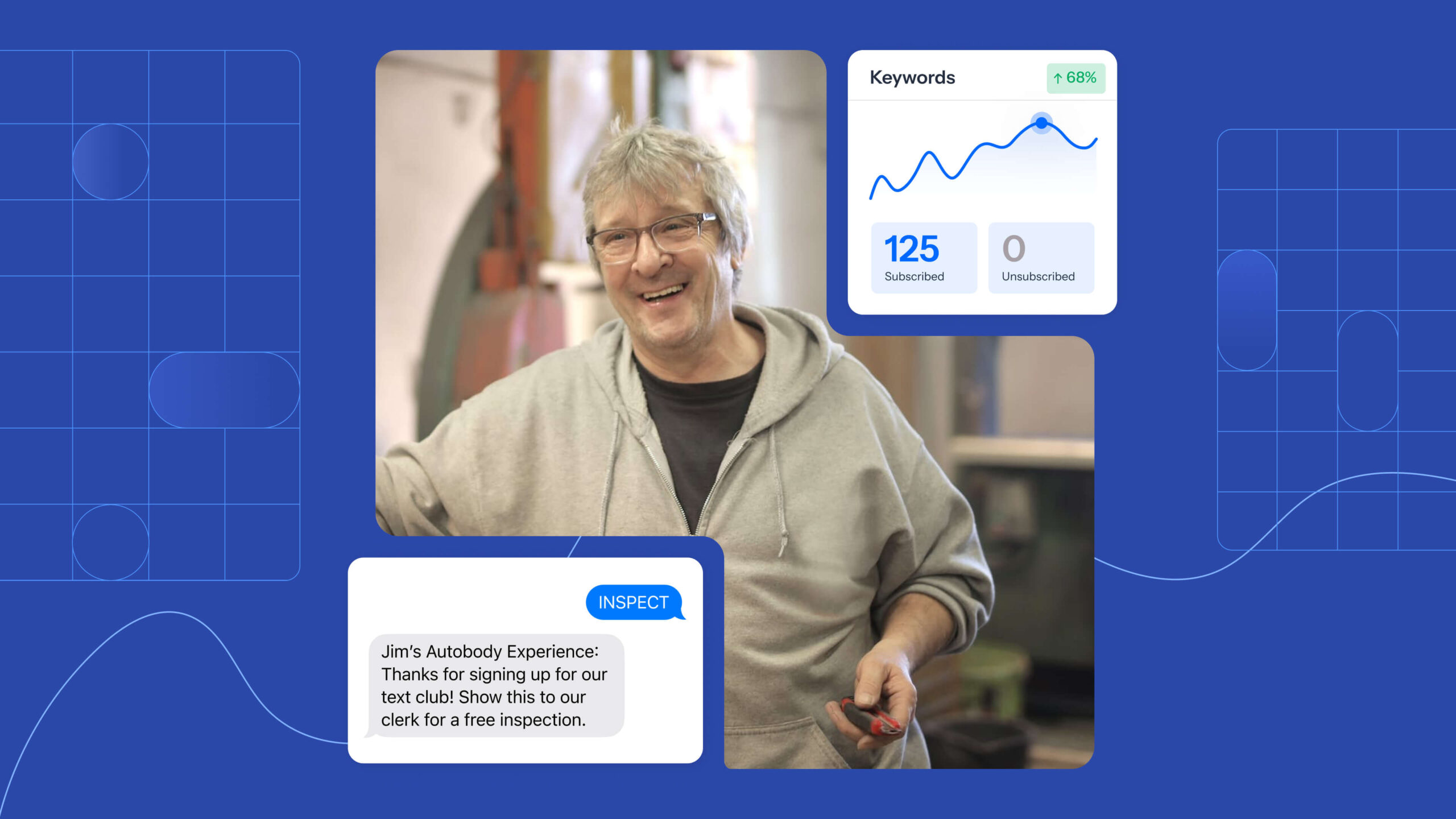
- Keyword-based: Allow customers to opt-in or out of communication by texting specific keywords.
4. Testing and measuring texting success
Test and launch:
Before hitting send, thoroughly test your automated messages to ensure everything functions as intended.
Remember: Compliance is key. Always obtain express written consent before adding contacts to your list and provide clear opt-out options in every message.
Analyze and optimize:
Track key metrics like open rates and click-through rates. Analyze results to identify areas for improvement and continually refine your automation workflows for maximum impact.
Establishing text automation strategies
Crafting an effective text automation strategy requires planning and consideration of several key aspects:
Personalization techniques
People are more receptive to messages that speak directly to them. Here’s how to personalize your automated texts:
- Use customer names: A simple “Hi [Name]” goes a long way in establishing a connection.
- Segment your audience: Tailor messages to specific customer groups based on purchase history, demographics, or interests.
- Reference past interactions: Following up on a previous purchase or service inquiry demonstrates you care and adds context.
Personalization matters: Personalized messages have higher engagement rates and lead to better customer experiences.
The balance between automation and human touch
Automation is powerful, but the human touch is irreplaceable. Here’s how to strike the right balance:
- Use automation for repetitive tasks: Free up your team for more personalized interactions by automating appointment reminders or order confirmations.
- Follow up with live chat or calls: Automated texts can initiate conversations. Offer options to connect with a live representative for complex inquiries.
- Maintain a professional tone: Even automated messages should sound professional and courteous. Proofread carefully before sending.
Metrics for measuring SMS success
Track key metrics to gauge the effectiveness of your text message campaigns. Popular tools include:
- Open rates: The percentage of recipients who open your text messages. A high open rate indicates successful delivery and engaging content.
- Click-through rates: The percentage of people who click on links within your text messages. This measures how well your texts drive desired actions.
- Conversion rates: The percentage of people who complete a desired action after clicking a link in your text message (e.g., making a purchase). The ultimate measure of success!
- Opt-out rates: The percentage of people who unsubscribe from your text messages. A high opt-out rate might indicate irrelevant content or excessive messaging.
Monitor these metrics on a regular basis so you can refine your text automation strategies for continued improvement.
Text automation workflows
Automation workflows orchestrate a series of automated text messages based on predefined triggers. This is a game-changer for marketing campaigns, allowing you to:
- Nurture leads: Send automated drip campaigns with valuable content or special offers to nurture leads and guide them through the sales funnel.
- Recover abandoned carts: A gentle reminder with a discount code can bring customers back to complete their purchases.
- Re-engage inactive customers: Win back past customers with exclusive offers or personalized recommendations.
- Drive in-store traffic: Promote flash sales or location-based discounts to incentivize in-store visits.
By strategically using these text automation workflows, you can add a powerful layer of engagement and personalization to your marketing efforts.
How to set up text automation today with SimpleTexting

Ready to unlock the power of text message automation for your business? SimpleTexting makes it easy to get started. Here’s a quick guide:
- Sign up for a free trial: Head over to SimpleTexting’s website and take advantage of their free trial to explore the platform’s features without commitment.
- Build your contact list: The foundation of your texting success! Import existing customer data or create a signup form to collect opt-in phone numbers.
- Explore automation features: SimpleTexting offers a user-friendly interface with drag-and-drop functionality for building automated workflows. No coding required!
- Craft your messages: Utilize templates and personalization options to create engaging and relevant text messages that resonate with your audience.
- Set triggers and schedule: Define what triggers your automated messages (e.g., abandoned carts, birthdays) and schedule them for optimal impact.
SimpleTexting: Your advantage in text automation
While several third-party apps offer basic automation features, SimpleTexting provides a comprehensive solution specifically designed for business needs. Here’s what sets us apart:
- Ease of use: An intuitive interface streamlines setup and management of automated workflows, even for non-technical users.
- Integrated analytics: Gain valuable insights into your text message campaigns with built-in analytics that track key metrics like open rates, click-through rates, and conversion rates. Optimize your strategy based on data-driven results.
- Seamless integrations: SimpleTexting integrates with popular CRM and marketing tools, allowing you to centralize your communication efforts.
- Compliance expertise: Stay on the right side of regulations with SimpleTexting’s guidance on SMS marketing compliance (e.g., GDPR, TCPA).
Ready to save time with SimpleTexting’s user-friendly platform, powerful features, and expert guidance? Sign up for free today so you can effortlessly implement effective text message automation for a significant boost in your customer engagement.
Text message automation FAQs
What is text message automation?
Text message automation utilizes software to send pre-written SMS messages automatically based on specific triggers or at scheduled times. It’s a powerful tool for businesses to streamline communication and enhance customer engagement.
Why is text message automation important?
Automation offers numerous benefits:
- Boosts Efficiency: Free up staff from repetitive tasks like appointment reminders or order confirmations.
- Increases Engagement: Reach customers directly on their phones, a channel they constantly check.
- Improves Customer Satisfaction: Timely communication builds trust and keeps customers informed.
- Drives Sales and Conversions: Promote special offers, abandoned cart reminders, and loyalty programs.
How can I send automated text messages today?
Getting started with text message automation is easier than you think! Here’s a quick roadmap:
- Choose a texting platform: Explore options like SimpleTexting, Twilio, or Podium. Consider factors like budget, features, and ease of use.
- Sign up for a free trial: Most platforms offer free trials to test features and ensure it fits your needs.
- Build your contact list: Focus on permission-based marketing. Offer incentives for customers to subscribe and provide clear opt-in/opt-out options.
- Craft engaging messages: Keep it short, sweet, and to the point. Personalize messages whenever possible and prioritize clear calls to action.
- Design automation workflows: Use the platform’s features to set up triggers for your automated messages (e.g., time-based, action-based, or response-based).
SimpleTexting is a texting service designed for small business, offering a user-friendly interface, robust automation features, and valuable analytics to track your campaign performance.
Is it legal to send automated text messages?
Yes, but with regulations in place to protect consumers from spam. Here’s what you need to know:
- Obtain consent: People must opt-in to receive your text messages. Provide a clear and easy way for them to subscribe and unsubscribe.
- Adhere to regulations: Research and comply with SMS marketing regulations in your region (e.g., GDPR in Europe, TCPA in the US). These regulations typically outline requirements for obtaining consent, message content, and unsubscribe options.
By following these guidelines, you can ensure your text message automation efforts are both effective and compliant.